



Have you ever heard of benfotiamine? It might sound complex, even a little daunting, but let's break it down. Benfotiamine is a synthetic, fat-soluble form of thiamine. Thiamine is a B-vitamin, also known as vitamin B1 but benfotiamine is not just any typical B-vitamin. It's special.
It's different. And why is that, you might ask? Its role in the body is quite unique. A picture is like a little vitamin, circulating through your body, making sure your metabolism is working properly. That's benfotiamine for you. It plays a key role in maintaining our metabolism by helping convert nutrients into energy.
But that's not all! The benefits of benfotiamine extend further. Numerous studies suggest that it may support nerve, kidney, and heart health. A small vitamin, big benefits. Sounds amazing, right? Indeed, it is! And that's only a brief look into the world of benfotiamine.
The Intricate Science of Benfotiamine
Now, you may be asking, "How does it actually work?" That's where science steps in. Studies have shown that benfotiamine is absorbed more readily by the body compared to other forms of vitamin B1. It can reach the parts of the cells where it's needed most. This unique ability makes it more effective in supporting our metabolism and promoting overall health.
It works in the body primarily by participating in the process of energy production. Remember how we talked about nutrients being converted into energy? That's it. Benfotiamine, as a coenzyme, helps the body convert the food we eat into the energy we need.
It's a tiny powerhouse that keeps our body's engine running smoothly. Why are these studies so important, you ask? Good question! The significance of these studies cannot be overstated. It's through these studies that we come to understand when to take benfotiamine. Knowing the science behind benfotiamine helps us understand its optimal use and benefits.
It guides healthcare providers in determining when it is most beneficial to administer benfotiamine, ensuring we reap the full benefits of this remarkable vitamin. Therefore, benfotiamine is an essential player in our body's metabolic orchestra, playing the tune of good health.
It's backed by scientific studies, showing its unique benefits and defining its role in our bodies. And now, with this knowledge, you are one step closer to understanding the amazing world of benfotiamine.
When Should You Take Benfotiamine?
A wonder in the world of dietary supplements, Benfotiamine, has been in the spotlight. Now, when should you take this supplement? It's not as simple as popping a pill whenever you like. There are guidelines to adhere to, rules to follow. These directives aren't there to impose restrictions but rather to ensure you reap maximum benefits.
When we talk about the general guidelines for Benfotiamine consumption, it's imperative to mention that it's typically taken with meals. However these aren't stringent rules carved in stone and several factors may influence them. Let's delve into that. It's no surprise that everyone's body is unique in its own way - that's why we have personalized diets, workouts, and, of course, medication. This variability affects how one should take Benfotiamine.
Factors such as your age, overall health status, and the presence of chronic diseases play a critical role in determining the optimal regimen. The significance of these guidelines? Crucial. Non-negotiable. They ensure you're not merely consuming Benfotiamine but doing it right. These guidelines not only ensure safety but also guarantee that Benfotiamine performs at its best in your system. Neglecting them is synonymous with forgoing potential benefits.
Dosing Schedule Table
| Situation | Recommended Time | With Food? | Notes |
|---|---|---|---|
| General use | Morning | Yes — with breakfast | Establishes a consistent daily habit |
| Type 2 diabetes | With largest carb-heavy meal | Yes — essential | Timed to blunt post-meal blood sugar spikes |
| Neuropathy management | Twice daily — morning and evening | Yes | Maintains steadier thiamine levels across the day |
| Digestive sensitivity | Evening | Yes — with dinner | Reduces risk of nausea reported on an empty stomach |
| Intermittent fasting | At your first meal of the day | Yes | Do not take fasted — absorption is significantly reduced |
| Older adults | Morning | Yes — with a light meal | Easier to pair with an existing morning medication routine |
Always confirm your dosing schedule with your doctor or pharmacist, particularly if you are managing diabetes or taking other medications.
Best Time to Take Benfotiamine: With Meals or Without?
If you have been wondering whether to take benfotiamine with food or on an empty stomach, the short answer is: always with a meal. But the longer answer is a little more useful.
Benfotiamine is fat-soluble, which means your body absorbs it far more effectively when there is dietary fat present to help carry it into your cells. Taking it on an empty stomach not only reduces comfort; it also reduces how much of the supplement your body can actually use. This is not a minor difference. Studies comparing fat-soluble B vitamins taken with and without food consistently show better absorption when food is present.
Why Meals Make a Difference for Absorption
When you eat, your digestive system releases bile acids and enzymes that help break down and absorb fat-soluble compounds. Benfotiamine travels through this same pathway. Without a meal to trigger that process, a significant portion of the benfotiamine you take passes through undigested. Even a small amount of healthy fat (a handful of nuts, a drizzle of olive oil, and an egg) is enough to support absorption. You do not need a large or heavy meal.
Morning vs Evening: Does It Matter?
For most people, the time of day matters less than the consistency of taking it with food. That said, there are practical reasons to consider timing in light of your routine and health goals.
If you are managing blood sugar, taking benfotiamine with your largest meal of the day, typically lunch or dinner, makes the most sense. This is when carbohydrate intake tends to be highest and when benfotiamine's support for glucose metabolism is most relevant. If your goal is nerve health or general daily support, morning with breakfast works well because it anchors the habit to something you already do consistently.
If your doctor has recommended a twice-daily dose for neuropathy management, splitting it between breakfast and dinner maintains steadier levels throughout the day and reduces the chance of any mild digestive discomfort that can come from a larger single dose.
What to Do If Your Meals Are Irregular or You Fast Intermittently
Irregular eating patterns do not have to derail your benfotiamine routine. If you practice intermittent fasting, simply take your dose with your first meal when your eating window opens. Do not take it during your fasting window; the absorption benefit will be minimal, and some people experience nausea when taking it on an empty stomach.
If your meals are unpredictable day-to-day, keep your benfotiamine somewhere visible near where you eat rather than with your other supplements. The visual cue makes it easier to remember to take it at the right moment rather than hours later on an empty stomach.
Benfotiamine's Starring Role in Diabetes Management
One might wonder how a humble vitamin like Benfotiamine can shoulder the colossal responsibility of managing diabetes. And yet, it does, almost effortlessly. In the complex tapestry of human health, diabetes is a stubborn, unwelcome thread. It's persistent, pervasive, and if not managed correctly, it can wreak havoc. Here's where our star, Benfotiamine, steps in. Benfotiamine plays a unique role in diabetes management.
It's like a vigilante, keeping a watchful eye on blood sugar levels, ensuring they don't sway too far off the mark. It's a fat-soluble derivative of vitamin B1, an essential nutrient that, in this form, steps up to shield our nerves and blood vessels from the detrimental effects of high blood sugar. Timing is everything, and the case of Benfotiamine in diabetes management is no exception.
Ideally, one should take this supplement with meals. Especially those that contain a significant amount of carbohydrates, as these are the primary culprits behind blood sugar spikes. The benefits of Benfotiamine for individuals struggling with diabetes are numerous the foremost being its ability to help regulate blood sugar levels.
This potent Benfotiamine supplement can reduce the risk of diabetes-related complications, like nerve damage and eye problems, thanks to its neuroprotective and anti-inflammatory properties. By managing the symptoms, Benfotiamine promises a better quality of life for those battling this chronic disease.
Benfotiamine and Neuropathy: Unveiling the Connection
Benfotiamine holds a special place in the quest for neuropathy management. A derivative of thiamine - also known as Vitamin B1 - benfotiamine has shown promise in managing and alleviating the symptoms of neuropathy. Neuropathy, a condition affecting the nervous system, often brings with it distressing symptoms. Patients experience discomfort, pain, and even loss of sensation.
Enter benfotiamine, a seemingly significant ally in this ongoing battle. To comprehend benfotiamine's place in neuropathy management, we must first dip our toes into the mechanics of this condition. Neuropathy affects nerves the body's communication lines, with devastating effects. Its symptoms range from mild tingling to severe pain.
It's here that benfotiamine steps into the spotlight, potentially alleviating these symptoms and improving quality of life. But how does it work? Benfotiamine boosts thiamine levels in the body, which in turn supports nerve function and helps alleviate neuropathy symptoms. It's like adding extra soldiers to the battlefront - the additional support provided by benfotiamine helps the body fight off the debilitating effects of neuropathy.
So, we've established the significance of benfotiamine in managing neuropathy. However, timing is just as crucial as understanding its role. To make the most of benfotiamine, it's imperative to know when to take it. Usually, the recommendation is to take benfotiamine alongside meals. It's during these times that the body can absorb and utilize this compound most efficiently.
The rationale is simple: aid digestion, enhance absorption. The benefits of benfotiamine in managing neuropathy are manifold. From relieving pain to improving nerve function, this compound plays a significant part in helping patients lead more comfortable lives. Its impact extends beyond immediate relief - studies suggest that benfotiamine can also help prevent future nerve damage.
SugarMD DiaVitamin and Neuropathy Support
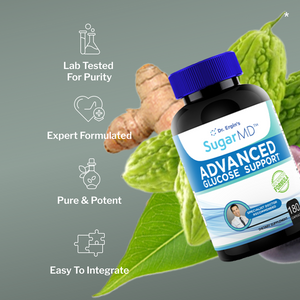
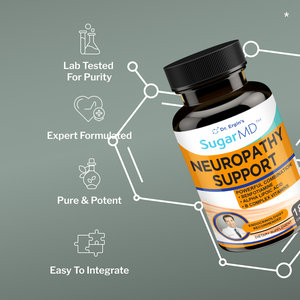
SugarMD DiaVitamin and SugarMD Neuropathy Support 180 Capsules are dietary supplements designed to support the health of individuals with diabetes. The DiaVitamin formula is formulated to support healthy glucose metabolism and provide essential vitamins and minerals, including High-potency B-vitamins, antioxidant vitamins A, C, E, thiamine, and Selenium, while the Neuropathy Support formula is designed to help alleviate nerve pain and support nerve health.
Both formulas are made with high-quality ingredients and are carefully crafted to meet the unique needs of individuals with diabetes. Supporting your daily regimen can help support overall health and wellness, especially for those with diabetes.
How SugarMD Makes the Timing Simple
One of the practical challenges with benfotiamine is remembering not just to take it, but to take it at the right time and in a form that your body can actually absorb well.
SugarMD Neuropathy Support and SugarMD DiaVitamin include benfotiamine alongside complementary nutrients that support nerve health and glucose metabolism, ingredients that work together rather than in isolation.
The dosing guidance on each product is designed specifically for people managing blood sugar, so you are not adapting a general supplement to a specific need. You are starting with something built for it.
Take either formula with your meal as directed on the label, and you have covered both the timing and the nutritional support in one straightforward step. For anyone already navigating a diabetes management routine, removing one more decision from the day is not a small thing.
Benfotiamine and Cardiovascular Health: The Unseen Link
Benfotiamine's influence stretches beyond neuropathy. Another arena where this compound plays a vital role is in cardiovascular health. Let's delve into this a little deeper. As with neuropathy, benfotiamine comes to the rescue for cardiovascular health. It acts like a diligent guard, keeping watch over our hearts and blood vessels. But how does it do this? Simply put, benfotiamine helps reduce the levels of harmful substances that can damage the cardiovascular system.
Additionally, it promotes the health of blood vessels, indirectly supporting heart function. We've seen the role of timing in neuropathy. The same applies to cardiovascular health. Taking benfotiamine with meals ensures optimal absorption, maximizing cardiovascular protection. The benefits of benfotiamine in cardiovascular health are profound.
By keeping harmful substances at bay, benfotiamine safeguards the heart and blood vessels. It promotes overall cardiovascular health and may even ward off diseases of the heart and blood vessels. So, benfotiamine has shown promising results in managing neuropathy and promoting cardiovascular health. It's a versatile compound, stepping up to support our bodies where they need it most. With the right timing and dosage, benfotiamine could potentially make a significant difference in many lives.
Benfotiamine and Aging: A Fountain of Youth in a Vitamin?
Aging. It's a natural process, an unavoidable fact of life. We get older, and our bodies show the signs. But what if we could slow this process? What if there was a way to keep our bodies youthful for longer? Enter benfotiamine, a potential game-changer in the world of anti-aging. It's thought to reduce oxidative stress, one of the leading causes of aging.
This stress results from an imbalance between free radicals and antioxidants in the body, causing potential damage to cells and tissues. The potential benefits of benfotiamine in anti-aging are exciting. By mitigating oxidative stress, benfotiamine may help reduce age-related ailments. Imagine a world where aging no longer means a decrease in vitality but remains just a number.
Side Effects of Benfotiamine: A Coin with Two Sides
While the benefits of benfotiamine are noteworthy, we mustn't forget to turn the coin over. Every substance, no matter how beneficial, comes with potential side effects. Benfotiamine is no exception. Most people tolerate benfotiamine well, but some may experience side effects. These can include nausea, restlessness, or allergic reactions. Although these instances are rare, they are essential to be aware of. The side effects may influence when you should take benfotiamine. If, for instance, you experience restlessness after taking it, it might be best not to consume it before bedtime.
A Fine Balance: Awareness of Side Effects
Being informed about potential side effects is vital. While benfotiamine holds promise in areas such as anti-aging, neuropathy, and cardiovascular health, it's essential to weigh these benefits against potential side effects. We know benfotiamine offers a tantalizing prospect in our quest for health and longevity. However, as with any supplement, understanding its potential side effects is paramount.
After all, knowledge is power and in this case the power to age gracefully while being aware of the potential consequences. Weigh your options, consider the facts and make an informed choice. After all, our health is in our hands. With the right information and careful use, benfotiamine could be a powerful tool in our health arsenal. But remember, always consult a healthcare professional before starting any new supplement regimen.
Interactions of Benfotiamine with Other Medications
In the world of health and medicine, things aren't always as straightforward as they seem. Yes, even with benfotiamine, an apparent wonder in neuropathy and cardiovascular health management. Its interactions with other medications are a complex yet vital consideration. Let's dive into this nuanced topic. Benfotiamine doesn't exist in isolation.
When we invite it into our bodies, it might encounter other medication guests, leading to a unique dance of interactions. While these interactions aren't always harmful, they could potentially alter the effect of benfotiamine or the other medications involved. For example, benfotiamine might interact with certain antidiabetic drugs. This could lead to either a diminished or enhanced effect of the drugs in controlling blood sugar levels.
This dance, therefore, is a delicate balancing act that needs close monitoring. These interactions don't just affect how well benfotiamine or other medications work; they can also influence when you should take benfotiamine. If you're taking other medications, especially for conditions like diabetes or heart disease, the timing of your benfotiamine dosage could be critical.
To achieve the most benefit while avoiding potential conflicts, it's often recommended that benfotiamine be taken with meals. However, in some cases, your healthcare provider might suggest a different schedule to avoid harmful interactions. Navigating these medication interactions isn't a journey you should take alone. Your healthcare provider plays an essential role. They can provide guidance based on their understanding of the medications you're currently taking and how benfotiamine could interact with them.
The Importance of Consulting a Healthcare Provider
Turning to a healthcare provider for guidance is necessary, particularly when introducing a new element, such as benfotiamine, into the mix. Before you start on benfotiamine, consulting your healthcare provider is of utmost importance.
They possess the knowledge and experience to guide your journey with this compound. They can help ascertain whether benfotiamine is suitable for your unique health situation. Each person is unique. Our bodies, our health conditions the medications we take—no two people are the same. Hence, advice around medication use, including when to take benfotiamine, needs to be personalized. Your healthcare provider can tailor advice based on your specific needs.
They can consider all the factors at play: your health history, current conditions, other medications, and lifestyle. The role of your healthcare provider extends beyond just initial advice. They are instrumental in ensuring the safe and effective use of benfotiamine throughout your treatment journey. They can monitor your progress, adjust your dosage if necessary, and guide you in managing any side effects or medication interactions.
Therefore, while benfotiamine holds promise in managing neuropathy and promoting cardiovascular health, it's crucial to consider potential medication interactions and seek professional advice. Your healthcare provider plays a vital role in this journey, ensuring the safe and effective use of benfotiamine for your unique needs.
The Future of Benfotiamine
Benfotiamine, already with an impressive resume in managing neuropathy and promoting cardiovascular health, is not resting on its laurels. The world of science, always in a quest for advancement, is diligently exploring this compound's potential. Let's venture into this promising domain of ongoing research and potential future uses. Research is the engine driving our understanding of benfotiamine.
In labs around the world, scientists are unraveling new facets of this compound. They're studying its impacts on different health conditions and scrutinizing how it interacts with our bodies. One promising avenue is benfotiamine's potential role in managing Alzheimer's disease. Initial studies suggest that it might help slow down cognitive decline, a breakthrough if proven conclusively.
Another interesting direction of research explores the compound's influence on eye health, specifically in conditions like diabetic retinopathy. As researchers work tirelessly, their findings could influence how we use benfotiamine in the future, including when to take it. As we gain a deeper understanding of how benfotiamine functions in different contexts, we may need to adjust its timing of administration to maximize its benefits.
For instance, research could reveal that benfotiamine is more effective at managing certain conditions when taken at specific times of day. The evolving science could also guide us on how to optimize the combination of benfotiamine with other medications.
As the puzzle pieces of research fall into place, we begin to see a picture of benfotiamine's potential future uses. Its role could extend beyond neuropathy and cardiovascular health to areas like mental health and eye health. The future of benfotiamine is ripe with exciting possibilities.
Key Takeaway
Drawing the curtains on our exploration of benfotiamine, let's reflect on the key points we've traversed. From its promising role in neuropathy and cardiovascular health management, we've seen the profound potential of benfotiamine. It appears to stand as a potential guardian, aiding in various health concerns. Yet, as with every medical journey the path isn't always simple.
The interactions benfotiamine might have with other medications emphasize the need for personalized approaches. Recognizing the complexity and variability of these interactions underlines the importance of personalized guidance. When to take benfotiamine isn't a universal answer—it's a personal one. The timing can depend on various factors, including your overall health, the other medications you're taking, and your unique health needs.
Understanding this allows you to effectively integrate benfotiamine into your health regimen while optimizing its potential benefits. Never underestimate the role of your healthcare provider in this journey. They stand as your personal guide, helping you navigate the complexities of medication management. Their personalized advice is critical, so please, don't hesitate to consult them before embarking on your journey with benfotiamine.
Frequently Asked Questions
Now, let's delve into some common questions about benfotiamine. By addressing these, we aim to equip you with reliable, concise information to help in your journey towards better health.
1. What is benfotiamine?
Benfotiamine is a derivative of thiamine (vitamin B1). It's used to manage neuropathy and promote cardiovascular health, among other potential uses.
2. When should I take benfotiamine?
While it's typically recommended to take benfotiamine with meals for optimal absorption the timing can depend on your personal health and medication regime. Please consult your healthcare provider for personalized advice.
3. Are there side effects of benfotiamine?
While benfotiamine is generally well-tolerated, some people may experience side effects. Consult your healthcare provider for advice on managing potential side effects.
4. Can benfotiamine interact with other medications?
Yes, benfotiamine can potentially interact with other medications. Therefore, it's important to discuss this with your healthcare provider.
About The Author
Meet Dr. Ahmet Ergin a highly skilled and dedicated endocrinologist with a passion for diabetes care. Dr. Ergin earned his medical degree with honors from Marmara University in Istanbul. He completed internal medicine residency and endocrinology fellowship at Cleveland Clinic.
Dr. Ergin is board-certified in Internal Medicine, Endocrinology, Diabetes and Metabolism due to his vast medical expertise. He's a certified diabetes educator, author of "The Ultimate Diabetes Book," and founder of "the SugarMD YouTube channel."
Dr. Ergin offers exceptional diabetes care to his patients in Port Saint Lucie, FL, helping them manage effectively. Disclaimer: These statements have not been evaluated by the Food and Drug Administration. Information on this website isn’t intended to treat, cure or prevent any disease. Discuss with your doctor and do not self-treat.