UP TO 40% OFF SITEWIDE


Dexcom How Often To Change Sensor


Table of Contents
- Summary
- What Is a Dexcom Sensor?
- Dexcom Sensors: How Often Do You Change Them?
- Standard Wear Time for Dexcom Sensors
- Why Dexcom Sensors Have a Set Wear Time
- Dexcom G6 Sensor: How Long Does It Last?
- Dexcom G6 Wear Time
- Dexcom G6 Transmitter
- What Happens When the Session Ends
- Dexcom G7 Sensor: How Long Does It Last?
- Dexcom G7 Wear Time
- Dexcom G7 Grace Period
- Built-In Transmitter
- Dexcom ONE+: How Long Does It Last?
- Dexcom ONE+ Sensor Wear Time
- ONE+ Grace Period
- What If Your Dexcom Sensor Stops Working Early?
- Common Reasons for Early Sensor Failure
- Dexcom Replacement Support
- How SugarMD Supports Your Dexcom Journey
- Conclusion
- Frequently Asked Questions
- How often do you change a Dexcom sensor?
- How long can I wear a Dexcom G7 sensor?
- Does Dexcom G7 have a grace period?
- Can I restart a Dexcom sensor after it ends?
- About The Author
Summary
-
Dexcom sensors are designed to be changed every 10 days for accurate glucose readings.
-
Dexcom G7 and Dexcom ONE+ include a 12-hour grace period after the 10-day wear time.
-
Dexcom G6 uses a separate transmitter that lasts about 90 days, while G7 has a built-in transmitter.
-
Extending sensor wear beyond the recommended time can reduce accuracy and increase errors.
-
Early sensor failure can occur due to adhesion issues, signal loss, or pressure during sleep.
Dexcom CGMs help people monitor glucose in real time without constant fingersticks. Their sensors are designed to be replaced every 10 days. Doing so on schedule helps maintain accuracy, comfort, and reliable glucose readings.
In this guide, we will break down sensor wear time for the Dexcom G6, G7, and Dexcom ONE+. We also cover grace periods, early failures, and common replacement tips.
What Is a Dexcom Sensor?
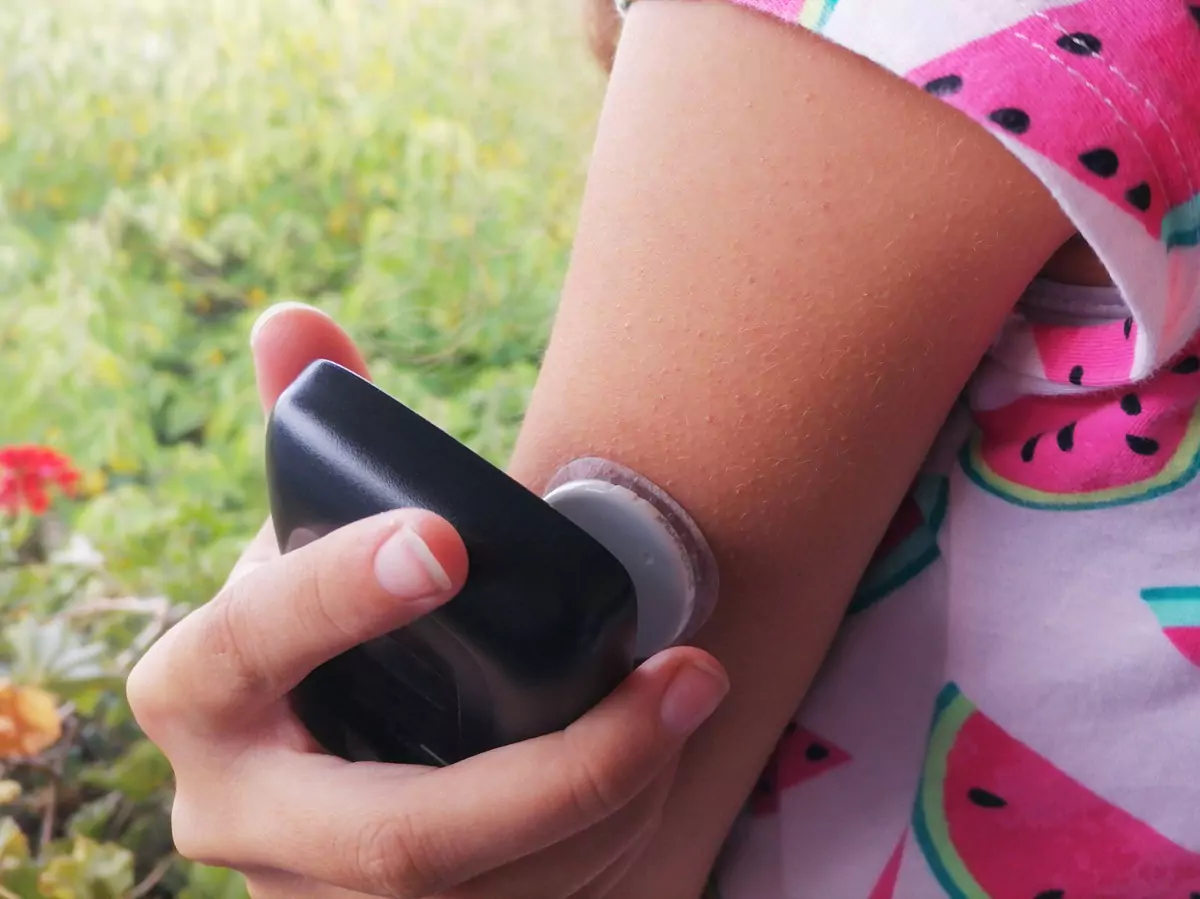
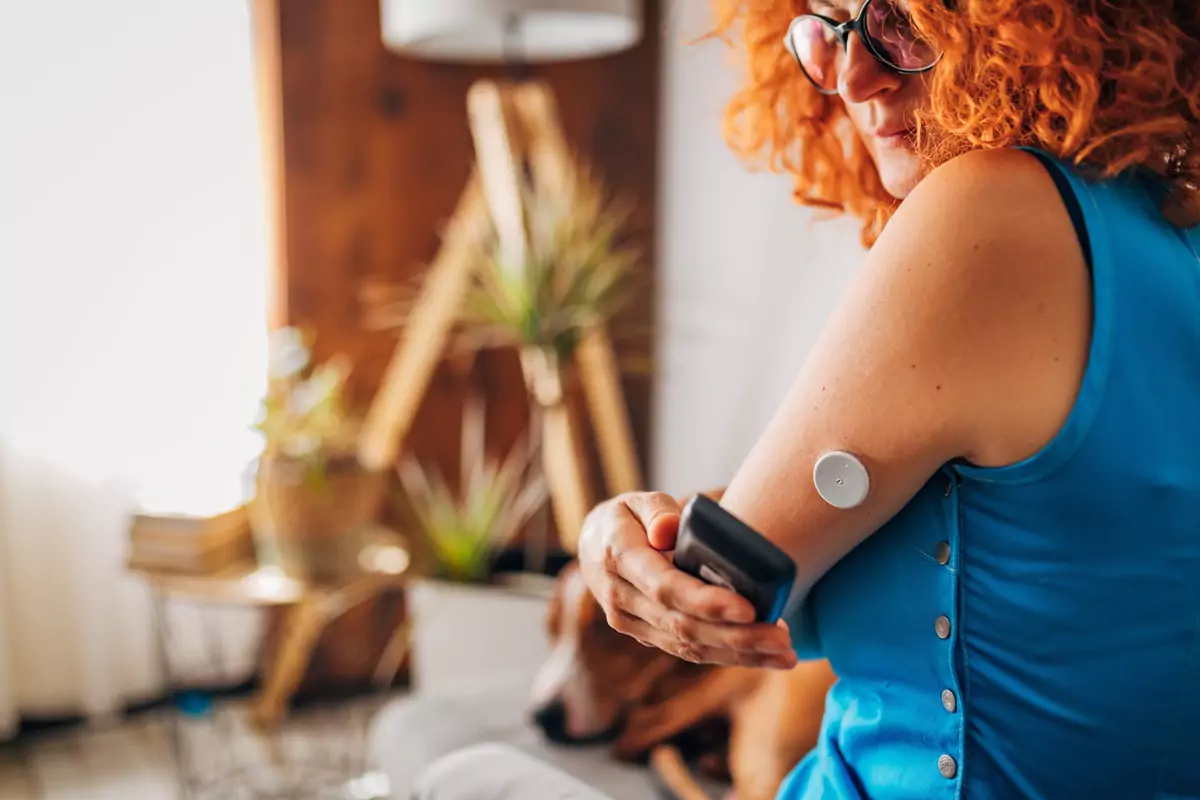
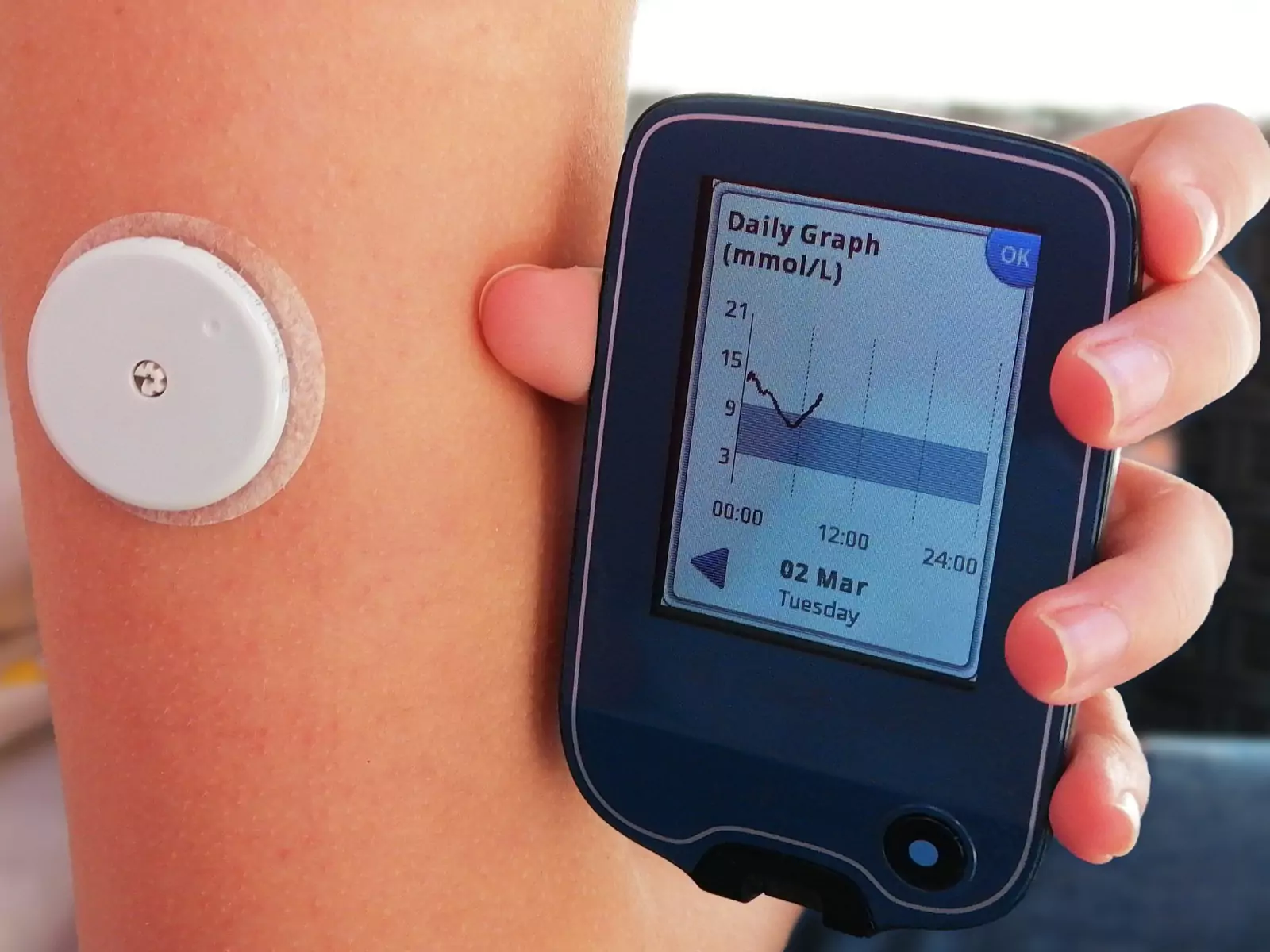
The Dexcom sensor is the wearable component of the continuous glucose monitoring system. It is applied to the body and measures glucose levels through interstitial fluid just beneath the skin.
The sensor sends glucose readings to:
-
A mobile app
-
A dedicated receiver
-
Other compatible devices, depending on the Dexcom model
Sensors track glucose continuously and must be replaced on schedule to maintain accuracy and reliability.
Dexcom Sensors: How Often Do You Change Them?
Standard Wear Time for Dexcom Sensors
All Dexcom sensors are designed to be worn for up to 10 days, including:
-
Dexcom G6
-
Dexcom G7
-
Dexcom ONE+
Replace your sensor on schedule to help maintain accuracy, comfort, and overall device performance.
Why Dexcom Sensors Have a Set Wear Time
According to NCBI data on CGM sensor accuracy, glucose precision may decrease toward the end of the sensor’s life. Following the 10-day schedule ensures that your glucose data remains reliable for treatment decisions.
Dexcom G6 Sensor: How Long Does It Last?
Dexcom G6 Wear Time
Dexcom G6 sensors are intended for up to 10 days of continuous use. The system will notify you as the session approaches its end.
Dexcom G6 Transmitter
The G6 uses a separate reusable transmitter that snaps into the sensor. This transmitter typically lasts around 90 days before needing replacement.
For a detailed breakdown of pricing and replacement timing, see our guide on Dexcom G6 cost.
What Happens When the Session Ends
When the sensor session ends, your device will alert you. You must stop the current session before inserting and starting a new sensor.
Dexcom G7 Sensor: How Long Does It Last?
Dexcom G7 Wear Time
Dexcom G7 sensors are intended for 10 days of use, similar to the G6.
Dexcom G7 Grace Period
Dexcom G7 includes a 12-hour grace period after the 10-day wear time ends. This provides extra flexibility to change the sensor.
-
Total possible wear time is about 10.5 days
-
The grace period helps if you are busy or unable to change the sensor immediately
Built-In Transmitter
Unlike the G6, the Dexcom G7 has the transmitter built into the sensor. When you replace the sensor, you automatically replace the transmitter. This simplifies setup and reduces the number of components you need to manage.
Dexcom ONE+: How Long Does It Last?
Dexcom ONE+ Sensor Wear Time
Dexcom ONE+ sensors are designed for up to 10 days of continuous glucose monitoring.
ONE+ Grace Period
Like the G7, the Dexcom ONE+ includes a 12-hour grace period after the session ends. This allows additional time to replace the sensor without immediate interruption.
What If Your Dexcom Sensor Stops Working Early?
Common Reasons for Early Sensor Failure
-
Sensor error or loss of signal
-
Adhesive peeling or detachment
-
Compression lows from pressure during sleep
-
Bleeding or discomfort at the insertion site
Dexcom Replacement Support
If a sensor stops working before the scheduled wear time ends, review the Dexcom sensor replacement policy. Dexcom may replace sensors depending on the specific technical issue.
How SugarMD Supports Your Dexcom Journey
SugarMD helps patients across the country get access to Dexcom through:
-
Prescription and insurance paperwork support
-
Appeals and follow-ups for denied claims
-
Telemedicine & remote glucose monitoring through SugarMD
If you’re ready to simplify your diabetes care and want help with the Dexcom process, the team at SugarMD can guide you every step of the way.
Conclusion
Most Dexcom sensors are designed to be changed every 10 days. The Dexcom G7 and ONE+ models include a 12-hour grace period, offering additional flexibility for replacement timing.
Replacing sensors on schedule helps improve accuracy, comfort, and reliability. If your sensor fails early, check the troubleshooting steps and contact support for a replacement.
Frequently Asked Questions
How often do you change a Dexcom sensor?
Most Dexcom sensors need to be replaced every 10 days. The G7 and ONE+ models offer an additional 12-hour grace period for more flexibility.
How long can I wear a Dexcom G7 sensor?
Dexcom G7 sensors are designed for 10 days, with an additional 12-hour grace period.
Does Dexcom G7 have a grace period?
Yes. The G7 includes a 12-hour grace period after the session ends.
Can I restart a Dexcom sensor after it ends?
Dexcom sensors are not officially designed for restarts. Attempting to extend wear time can result in inaccurate readings and potential skin issues.
About The Author
Meet Dr. Ahmet Ergin a highly skilled and dedicated endocrinologist with a passion for diabetes care. Dr. Ergin earned his medical degree with honors from Marmara University in Istanbul. He completed internal medicine residency and endocrinology fellowship at Cleveland Clinic.
Dr. Ergin is board-certified in Internal Medicine, Endocrinology, Diabetes, and Metabolism due to his vast medical expertise. He's a certified diabetes educator, author of "The Ultimate Diabetes Book," and founder of "the SugarMD YouTube channel."
Dr. Ergin offers exceptional diabetes care to his patients in Port Saint Lucie, FL, helping them manage effectively. Disclaimer: These statements have not been evaluated by the Food and Drug Administration. Information on this website isn’t intended to treat, cure or prevent any disease. Discuss with your doctor and do not self-treat.
Written By Dr. Ahmet Ergin
466 total articles
Meet Dr. Ahmet Ergin, a highly skilled and dedicated endocrinologist with a passion for diabetes care. Dr. Ergin earned his medical degree with honors from Marmara University in Istanbul. He completed internal medicine residency and endocrinology fellowship at Cleveland Clinic. Dr. Ergin is board-certified in Internal Medicine, Endocrinology, Diabetes, and Metabolism due to his vast medical expertise. He's a certified diabetes educator, author of “The Ultimate Diabetes Book,” and founder of “the SugarMD YouTube channel.” Dr. Ergin offers exceptional diabetes care to his patients in Port Saint Lucie, FL, helping them manage effectively. For a closer look into his insights and experiences, connect with Dr. Ahmet Ergin on LinkedIn, Instagram, and YouTube.”
Disclaimer: These statements have not been evaluated by the Food and Drug Administration. Information on this website isn't intended to treat, cure or prevent any disease. Discuss with your doctor and do not self-treat.
Products