DISCOUNT: UP TO 90% OFF


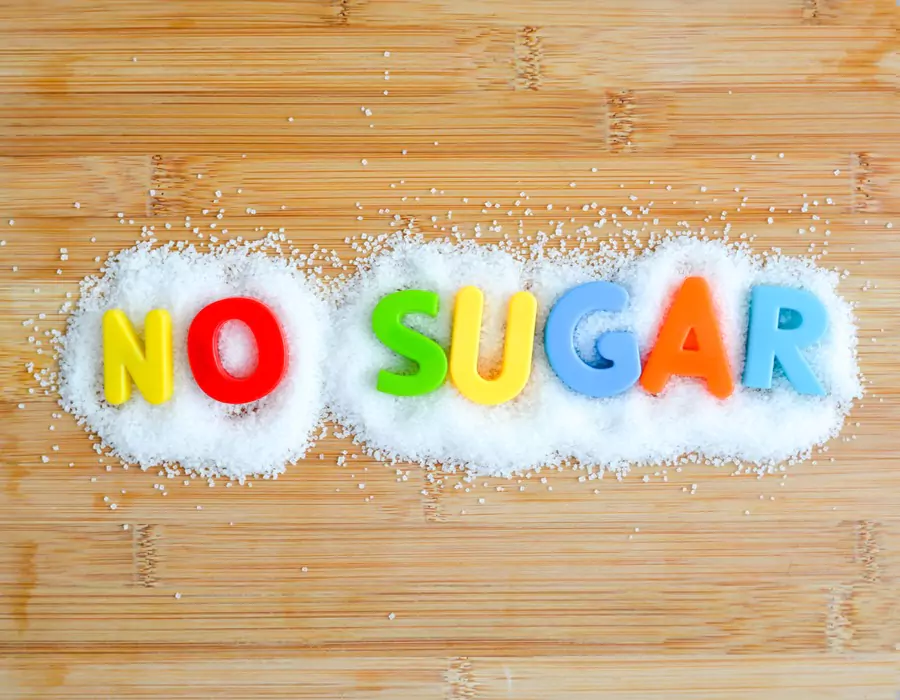
What Happens When You Quit Sugar?


Table of Contents
- What really happens when you stop eating sugar now for just one week?
- Selection of Food High in Sugar
- Why is Quitting Sugar so Hard?
- What Symptoms to Expect After Quitting Sugar?
- How Long Do The Symptoms Last After Quitting Sugar?
- What are The Benefits of Quitting Sugar?
- What to Quit vs. What to Keep:
- Final Thoughts
- FAQs
- 1. What happens to your body when you quit sugar?
- 2. How long do sugar withdrawal symptoms last?
- 3. Can quitting sugar help with weight loss?
- 4. Will quitting sugar improve mood and mental clarity?
- 5. Can quitting sugar benefit skin and dental health?
- 6. Are there long-term health benefits of quitting sugar?
What really happens when you stop eating sugar now for just one week?
Hello everyone, Dr. Ergin here, a metabolism specialist, your go-to endocrinologist on google. Everyone talks about how good you will feel after quitting sugar. I am here to tell you what will really happen when you quit eating sugar for just a week.
I will be brutally honest as I typically am and not "sugarcoat" the experience of cutting sugar off of your diet. I will, of course, go over all the benefits in scientific terms. I will tell you how to be able to make the transition painlessly and with less effort and discuss what happens in your body in reality when you quit sugar.

Selection of Food High in Sugar
I have seen blogs and videos about what happens when you quit sugar totally for 2 weeks, 4 weeks, etc. What I have not seen is what happens when you quit sugar for 10 years. Why? Because everyone talks about the benefits of quitting sugar cold turkey. Nobody digs into all the pain and suffering people go through during the withdrawal period.
As a result, most people quit sugar way too soon. The truth is that if you've spent your entire life eating carbs and sugar, it won't be easy to cut them out, as demonstrated in this video simply. We know what can happen if we consume too much. But what about what happens when you quit?
According to scientific research, the effects are similar to what occurs when you quit narcotics:
- Feelings of fatigue.
- Headaches.
- Mental fog.
- Irritability.
- Stomach issues can arise for some people.
Quitting sugar is hard not only because it is in many of our favorite foods, but also because it can wreak havoc on your health without you even realizing it at first. To avoid withdrawal symptoms and improve your overall health, consider recomposing your diet and cutting down on sugary things that normally enter what you ingest daily.
Why is Quitting Sugar so Hard?
Consuming added sugar gives your body a short burst of energy and stimulates the release of dopamine and serotonin, hormones that make you feel good. While it may seem enticing to indulge in sugary treats, what happens when you stop eating sugar?
The body processes carbohydrates differently than it does other macronutrients, so suddenly cutting added sugars and carbohydrates creates an imbalance in your bodily functions.
As a result, your body will go through withdrawal and cause uncomfortable symptoms as it struggles to process the absence of these necessary ingredients.
So next time you are tempted to reach for something sugary, think twice before making any rash decisions because what happens afterward might not be worth it!
The Addiction Mechanism:
- Sugary treats reward our bodies with a burst of energy and deliciousness, as dopamine and serotonin activate the reward system.
- But when those little treats become too frequent, the reward turns into an addiction.
- Suddenly the cravings for more is uncontrollable and we find ourselves eating unnecessarily high amounts of carbs to get that same reward.
- Without it, intense headaches and nausea can occur as your body goes through withdrawal.
Receptor Regulation: So it pays to know just how much reward your body needs on any given day! Also, the body has an interesting adoption mechanism.
When there is an abundance of a substance running in your bloodstream, your cells downregulate the receptors that take signals from that substance to prevent overstimulation. The opposite happens when your body is deprived of a substance. Receptors will be upregulated.
Why is that important? Think about it. If you have lots of sugar in your system and your body thinks well, I will cut back on my receptors because I don’t want too much sugar in the cells. The same happens to dopamine and serotonin receptors.
Suddenly, there is very little sugar coming in, but your body did not have time to adjust to the new glucose levels. Your body goes into a panic mode and starts secreting panic hormones which make you feel:
- Irritable.
- Moody.
- Give you headaches.
Also, since you are not getting enough dopamine, that also creates withdrawal symptoms.
What Symptoms to Expect After Quitting Sugar?

- Fatigue.
- A feeling of sadness or depression, as their body is adjusting to the lower levels of glucose, dopamine, and serotonin.
After a week or so, your energy will begin to improve, and you will feel more alive and less irritable.
After a few days of eating clean, cutting out reward-based snacks like chips and ice cream, and reducing calorie intake, it may seem difficult to carry on. Unfortunately, these cravings are often accompanied by headaches and fatigue in addition to feelings of sadness or depression as the brain is adjusting to lower levels of reward-based chemicals like dopamine and serotonin.
Fortunately, after a week or so of dedication, the symptoms should dissipate, and you will start to feel more energized and alert and even experience the benefits of feeling healthier.
How Long Do The Symptoms Last After Quitting Sugar?
For the next several weeks, we have to deal with a range of symptoms while trying to overcome an addiction. From headaches to cravings and everything in between, it can be very hard to go through this process. On the other hand, there are also reward-driven benefits that come with curbing our bad habits.
As we limit the things that keep us going back for more--like unhealthy foods loaded with calories--our brains undergo positive changes that encourage healthy behavior and reward us in the long run. Although it requires significant effort and time, those who put up with these signs and symptoms may find they come out on the other side healthier than before.
People who have been eating a lot of sugar over a long period of time may experience a withdrawal that lasts around two to three weeks. Even artificial sweeteners can lead to addiction and withdrawal as a result.
For this reason, artificial sweeteners like aspartame should not be used as a substitute for sweets that include sugar. Exercise can help with headaches and flu-like symptoms, as well. Moderate to brisk walking or jogging can help by raising circulation and metabolism significantly, stimulating the immune system, and giving the person something pleasant to concentrate on.
Also, remember to try our SugarMD Weight loss formula which is specifically designed to help you with sugar cravings which you will have plenty of when you are trying to get off all the goodies you love!
What are The Benefits of Quitting Sugar?
Now let's talk about the rewards of quitting sugar in the long term. Just as a side note, I am not a big believer in the carnivore diet or the keto diet, which is very hard to maintain. Many nutritious God-given fruits and vegetables have natural sugars in them, and thanks to their fiber content, those natural sugars are not going to cause glucose and insulin spikes.
I think the majority of people take an all-or-nothing approach, and 95% of the time, they fail, because almost every natural plant source has some sort of sugar in it. Most people can't keep up and give in. On the other hand, I always promote a balanced diet rich in healthy fats, protein, and carbs low in glycemic index with fruits and vegetables.
What to Quit vs. What to Keep:
- What we all need to quit when it comes to sugar is sucrose, which is table sugar put in bakeries and desserts etc. Those types of processed sugar are the main problem.
- Plus, although fruits and vegetables may have sugar in them, they have so many antioxidants to protect your body that any possible negative effect of those sugars will be surpassed by the antioxidants in them.
- And it is a lot easier to transition to a healthy carb/low glycemic index diet instead of a no-carb diet.
If you are looking to find the best diabetic diet So, what happens when you stop eating bad table sugars, bakery goods, sweets, and so on? Let's talk about that.
Your Skin Will Glow and You Will Appear Younger!
Diets high in refined sugar cause excessive insulin spikes, which, in turn, trigger inflammation in the skin. As a result, elasticity and collagen—what makes your skin look nice and glowy—become damaged, causing:
- Premature wrinkling.
- Sagging skin.
- Acne and rosacea.
Reducing your sugar intake will do just the opposite.
You Will Get More Rest
To be honest with you, when I do not eat well, let's say I went out and ate some dessert, I wake up feeling pretty shook. Like stiff joints, I'm tired as if I've been hit by a truck and can't get out of the bed. Also, no!! I don’t drink alcohol, so it is not a hangover.
Thankfully, the majority of the time, I stop eating food early and go to bed feeling bad after an early healthy dinner, and I feel so much better in the morning. I am ready to jump off the bed and go for a run!
- This is because foods containing high amounts of refined sugar lower the degree of slow-wave sleep, which is a form of restorative sleep.
- Also, all the insulin and glucose running in your system triggers all sorts of inflammation signals in your body.
- Also, if you consume something sweet before going to bed, you run the risk of having low blood sugar (in the form of a reactive low sugar crash after a spike). This may not be applicable to all diabetics, but you may also experience night sweats.
- In addition, stress hormones can be boosted if you consume sugar before bed, causing you to have difficulty sleeping.
You Will Lose Weight!
Sugar has an effect on the area of your brain that regulates your hunger. When you consume too much sugar, your brain believes you are still hungry even when you are not. Sugar also alters the brain, getting it addicted to sugar and making you crave more and more sugar the more you eat. It's a self-fulfilling cycle.
While everyone's weight-loss method is unique, no matter who you are, you will lose weight considerably more quickly if you quit eating sugar.
- You will probably lose water weight fairly quickly because when insulin goes down in your body, your body stops retaining water.
- But then it may slow down because burning fat requires caloric deficiency and 1 gr of fat is equal to 9 cal vs 1 gr of carb is equal to 4 calories only.
- But yes, unless you overcompensate with fat and protein, you should lose weight at a steady rate after initial rapid weight loss. As long as you have a manageable, not overly torturous diet.
Belly Fat Reduction
Another weight loss benefit of low sugar consumption is a slim belly. Everyone knows that a daily sweetened beverage or beer habit can add up quickly, especially around the midsection. However, you may not be aware of the problems linked with abdominal fat.
- Added sugars raise your blood sugar, causing your body to release a flood of insulin, which causes fat to develop around your midsection over time.
- These fat cells deep in the abdomen, known as visceral fat, are the most dangerous because they produce adipokines and adipose hormones, chemical troublemakers that travel to your organs and blood vessels, causing inflammation that can lead to heart disease and cancer.
- As a result, cutting down on soda and desserts will help you lose belly fat and the harmful issues that come with it, such as diabetes.
You Will Be Happier
I know what you are thinking. How can I be happier if I quit everything I love? Well, what if I told you that you would be happier if you quit drinking when you are an alcoholic? Sugar is no different. All those candy bars and cakes that make you happy just make you a slave to keep eating them. When you quit eating sugar, you can declare your freedom and start tasting the real natural sugar in real food!
- A fairly recent study published in the American Journal of Clinical Nutrition found that women who ate sugary foods with a high glycemic index increased their risk for depression.
- Another study published in 2017 in the journal Scientific Reports found that men who consumed more than 67 grams of sugar (not carbs, sugar) every day increased their risk of depression when compared to men who ate less than 40 grams each day.
- This may be related to the fact that sugar can cause chronic inflammation, which has an impact on brain function. If you take out sugar, you may see a difference in your mood within one to two weeks.
- You Won't Get Sick as Often.
When you eat too much-processed sugar, you weaken your immune system. But, when you stop eating sugar, your immune system will be able to function. The chronic inflammation due to high sugar consumption diminishes your body’s immune response, including the COVID 19 infection, making you more susceptible to colds and flus throughout the year.
Improved Mental Acuity and Sharpness
In a 2014 study published in Nutritional Neuroscience, researchers found that a high-glucose diet increases insulin resistance in the hippocampus while also exacerbating memory issues.
Another study published in the journal Molecular Neurobiology found a link between sugar consumption and negative changes in the frontal cortex of the brain, which have been connected to other cognitive difficulties.
If you want to stay sharp and on top of things, avoid sweets, especially as you become older. You will be generously rewarded by your intellect.
Lower Cholesterol and Improved Heart Health
If you have higher-than-normal body weight, you are more likely to have high cholesterol levels, especially triglycerides, a type of fat in your blood. More than half of my diabetic patients have high triglycerides, and they have no idea it has something to do directly with diet.
- Your LDL may not normalize as easily just with diet, but your triglycerides can easily be corrected by lowering sugar intake.
- But it's not just about losing weight. Even when they were the same weight, people who got less than 20% of their calories from added sugars had lower triglycerides.
- After consuming glucose, endothelial function (the cells that make up the vascular wall) deteriorates. This could be due to oxidative stress caused by high blood sugar after meals.
- Bad endothelial function means a bad vascular system and inflamed vessels that attract cholesterol.
Improved Teeth
Glucose is the main food source for the bacteria in your mouth, which leads to tooth decay and gum disease. Cavities and other dangerous infections may result as a result of this behavior. Not brushing and flossing your teeth on a regular basis can make things worse. Sugar reduction, particularly in drinks like soda and punch, may help prevent or cure tooth disease.
You Will Live Longer!
That is the ultimate goal, right? Having a happy and healthy life for as long as possible.
- When our glucose levels rise as a result of eating sugary foods, our insulin levels rise as a result, activating a component of our nervous system that raises our blood pressure and heart rate.
- A key risk factor for heart disease is high blood pressure, which has been connected to excessive sugar consumption, as has type 2 diabetes and obesity, both of which have been associated with excessive sugar consumption.
- Sugar also raises the level of harmful blood fats known as triglycerides in the blood, which increases the risk of heart disease and stroke.
According to a 2014 study published in the journal JAMA Internal Medicine, those who drank the most added sugar were more likely to die from heart disease than those who ingested the least amount of added sugar.
Final Thoughts
Bottom line, for those who want to reward themselves without the added calories and health toll that comes with consuming sugar, giving up sweets can be a great way to detox from an addiction. In the short term, abstaining from sugar can provide immediate health benefits due to a reduction in cravings and a decrease in added unhealthy calories.
Within two weeks, you will start to see physical results such as weight loss and healthier skin and hair. Furthermore, a lack of sugar consumption improves insulin resistance which is essential for healthy metabolism functioning.
And don’t forget about sounder sleep – sugar consumption is also linked with restlessness at night, leading to wakefulness or frequent stirring throughout the night. Stop eating refined sugars today and reward yourself with improved overall energy levels and better health tomorrow!
Want to learn how to quit snacking, especially the sweet ones? Read this article. Thanks for reading and sharing! Stay well, stay safe.
FAQs
1. What happens to your body when you quit sugar?
Your body may experience withdrawal symptoms like fatigue, headaches, irritability, and mood swings for the first few days, but energy levels, mental clarity, and overall health improve within 1–2 weeks.
2. How long do sugar withdrawal symptoms last?
Most symptoms last about 2–3 weeks, depending on how much sugar you previously consumed and your overall diet.
3. Can quitting sugar help with weight loss?
Yes, cutting added sugar reduces insulin spikes, water retention, and cravings, which can lead to gradual fat loss and a slimmer waistline.
4. Will quitting sugar improve mood and mental clarity?
Yes, reducing sugar intake stabilizes blood glucose, decreases inflammation, and improves dopamine and serotonin regulation, which enhances mood and mental sharpness.
5. Can quitting sugar benefit skin and dental health?
Yes, lower sugar intake reduces insulin spikes and inflammation, which can improve skin elasticity, reduce acne, and prevent tooth decay.
6. Are there long-term health benefits of quitting sugar?
Yes, long-term benefits include improved heart health, lower cholesterol and triglycerides, stronger immunity, reduced risk of diabetes, and potentially increased lifespan.
Written By Dr. Ahmet Ergin
461 total articles
Meet Dr. Ahmet Ergin, a highly skilled and dedicated endocrinologist with a passion for diabetes care. Dr. Ergin earned his medical degree with honors from Marmara University in Istanbul. He completed internal medicine residency and endocrinology fellowship at Cleveland Clinic. Dr. Ergin is board-certified in Internal Medicine, Endocrinology, Diabetes, and Metabolism due to his vast medical expertise. He's a certified diabetes educator, author of “The Ultimate Diabetes Book,” and founder of “the SugarMD YouTube channel.” Dr. Ergin offers exceptional diabetes care to his patients in Port Saint Lucie, FL, helping them manage effectively. For a closer look into his insights and experiences, connect with Dr. Ahmet Ergin on LinkedIn, Instagram, and YouTube.”
Disclaimer: These statements have not been evaluated by the Food and Drug Administration. Information on this website isn't intended to treat, cure or prevent any disease. Discuss with your doctor and do not self-treat.
Products