Fenugreek Benefits For Men & For Women


Table of Contents
- Key Takeaways:
- Fenugreek Benefits For Men & Women with Diabetes
- Fenugreek Benefits for Diabetes
- Blood Sugar Regulation
- Cholesterol & Heart Health
- Additional Antidiabetic Benefits
- Fenugreek Benefits for Men
- Testosterone & Sexual Health
- Muscle Strength & Performance
- Fenugreek Benefits for Women
- Menstrual & Hormonal Health
- Breastfeeding Support
- How Does Fenugreek Help with Cholesterol?
- Is Fenugreek Safe? Precautions to Consider
- Potential Risks
- Pregnancy Warning
- Safe Use Recommendations
- How to Take Fenugreek for Diabetes
- FAQs About Fenugreek
- Can fenugreek help lower blood sugar levels for people with diabetes?
- How much fenugreek should men or women with diabetes take daily?
- Is fenugreek safe for both men and women to use regularly?
- What are the common side effects or risks of taking fenugreek?
- Does fenugreek improve cholesterol and overall heart health?
- What is the best way to take fenugreek for diabetes support?
- About the author
Key Takeaways:
- Fenugreek helps regulate blood sugar by slowing carbohydrate absorption and improving insulin sensitivity, making it useful for people with diabetes.
- It supports heart health by lowering LDL cholesterol and triglycerides while increasing HDL levels.
- Men may benefit from potential effects on testosterone, libido, muscle strength, and exercise recovery.
- Women may see improvements in menstrual symptoms, hormonal balance, and breast milk production due to its phytoestrogens.
- Fenugreek is generally safe but may cause digestive issues, allergic reactions, or low blood sugar; it should be avoided during pregnancy.
- Medical guidance is recommended before supplementation.
Fenugreek Benefits For Men & Women with Diabetes
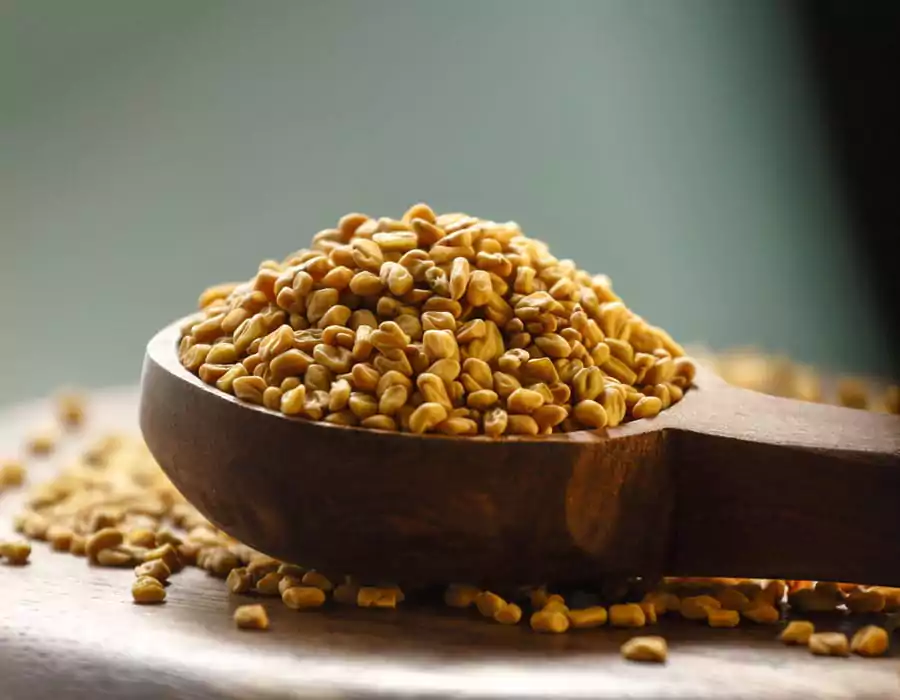
Fenugreek is an interesting little plant with a long history in traditional medicine. Both its seeds and leaves are used in cooking, and its medicinal properties have been recognized in Ayurveda and Chinese medicine
Studies show it may help improve blood sugar in people with diabetes, while also offering anti-inflammatory effects.
This article explores fenugreek’s benefits for men, women, and people with diabetes—plus safety tips and best ways to take it.
.What is Fenugreek?
Fenugreek is celebrated for its flavor and healing properties. Its nutritional composition helps it to support blood sugar, digestion, and heart health.
- Traditional use: Common in Ayurvedic, Chinese, and Mediterranean medicine for digestion, inflammation, and metabolic support.
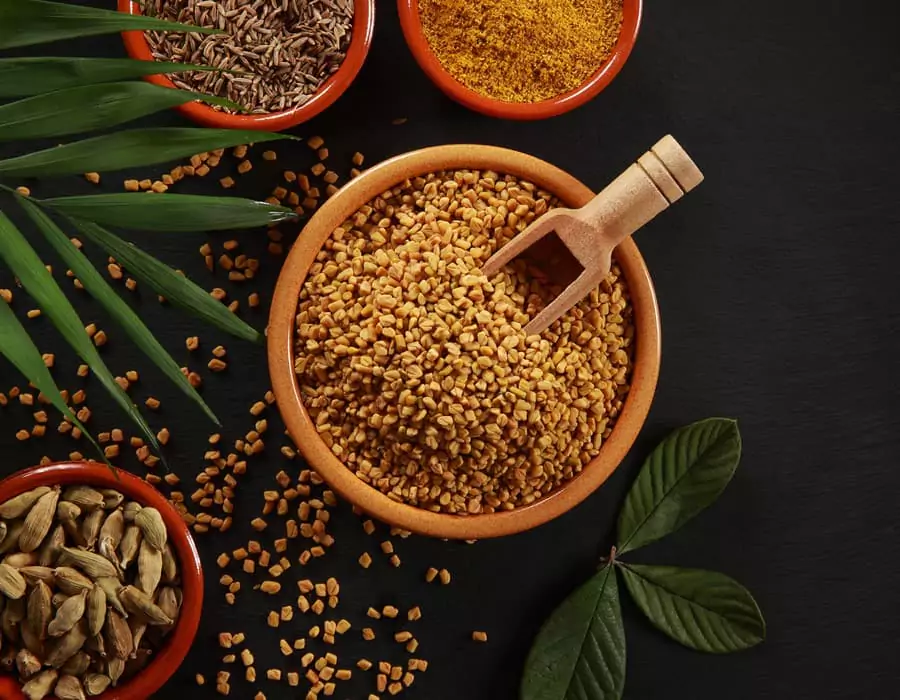
- Culinary uses: Seeds appear in spice blends, curries, and stews; leaves are used fresh or dried.
- Nutrient profile: Seeds contain soluble fiber, saponins, alkaloids, and antioxidants compounds that contribute to its blood sugar and heart health benefits.
Fenugreek Benefits for Diabetes
People with diabetes are often on the lookout for natural foods that can complement medication and lifestyle changes, and that is where fenugreek comes in.
Blood Sugar Regulation
Fenugreek is rich in soluble fiber, which slows carbohydrate absorption and helps prevent post-meal blood sugar spikes. It may also improve insulin sensitivity and glucose tolerance.
Cholesterol & Heart Health
For those managing diabetes, heart health is a cause for major concern. Fenugreek may help lower LDL (“bad”) cholesterol and triglycerides, and may help raise HDL (“good”) cholesterol, potentially offering cardiovascular benefits.
Additional Antidiabetic Benefits
Fenugreek may also:
- Enhance insulin secretion
- Reduce insulin resistance
- Support weight management
Fenugreek Benefits for Men
Men dealing with diabetes go through their own challenges, especially when it comes to energy levels and hormone balance. This is where fenugreek really shines, it has been studied for its potential to improve exercise performance and recovery, and testosterone levels.
Testosterone & Sexual Health
Some studies suggest fenugreek may support healthy testosterone levels, which can influence libido and sexual performance.
Evidence is promising but less robust than its effects on blood sugar.
Muscle Strength & Performance
When combined with regular exercise, fenugreek may:
- Improve strength gains
- Reduce body fat
- Support recovery through antioxidant properties
Fenugreek Benefits for Women
Fenugreek supports women with hormonal balance, breast feeding and menstrual discomfort. The phytoestrogens and anti‑inflammatory compounds in the plant can help with some common concerns while also supporting metabolic health.
Menstrual & Hormonal Health
Fenugreek’s anti‑inflammatory effects may help reduce menstrual cramps. Its phytoestrogens may also influence hormone balance which can help with certain menstrual or premenstrual symptoms.
Breastfeeding Support
Fenugreek seeds are widely used to increase breast milk production. Their nutrients support the mammary glands and may help mothers meet breastfeeding demands.
How Does Fenugreek Help with Cholesterol?
Research suggests fenugreek may reduce LDL cholesterol by up to 10% and raise HDL by around 15%.
Its soluble fiber binds to bile acids, helping remove cholesterol from the body.
Fenugreek is available as capsules or powder and has a naturally sweet, maple-like taste.
Is Fenugreek Safe? Precautions to Consider
Fenugreek is generally safe but not risk-free.
Potential Risks
- May cause low blood sugar, especially with diabetes medications, raising the risk of hypoglycemia.
- Allergic reactions, especially in those allergic to peanuts, peas, or soy
- Digestive issues: gas, bloating, diarrhea
- Maple syrup‑like odor in sweat or urine, harmless, but sometimes noticeable.
Pregnancy Warning
Fenugreek is not recommended during pregnancy due to possible uterine contractions and potential birth risks.
Safe Use Recommendations
- Consult a healthcare provider before starting any fenugreek supplement, especially if you’re on diabetes medications or have other health conditions.
- Start with low doses to see how your body responds.
- Try food‑based intake (cooking with seeds, with teas, etc.) before switching to concentrated supplements.
How to Take Fenugreek for Diabetes
Fenugreek is easy to add into a regular diet or supplement routine.
- Seeds: Soaked, powdered, or roasted you can add them to dishes or brew as tea
- Capsules / Extracts: Convenient if you dislike the taste
- Teas: Gentle and digestible way to consume fenugreek regularly.
Fenugreek is included in formulas such as SugarMD Advanced Glucose Support Supplement, which combines herbs designed to support healthy blood sugar.
Final Verdict
Fenugreek can be a helpful natural aid for people with diabetes. It may support blood sugar management, cholesterol, and overall metabolic health. Men may benefit from hormonal and performance effects, while women may see advantages in menstrual health, lactation, and hormonal balance.
However, it should be used carefully and alongside medical guidance, not as a substitute for diabetes treatment or healthy lifestyle habits.
FAQs About Fenugreek
Can fenugreek help lower blood sugar levels for people with diabetes?
Yes, evidence shows regular intake (e.g., ~10 g/day of soaked seeds or standardized extracts) can lower fasting blood sugar and HbA1c.
How much fenugreek should men or women with diabetes take daily?
Many clinical studies use around 10 grams per day of soaked seeds or equivalent in extracts.
Is fenugreek safe for both men and women to use regularly?
For most healthy adults, yes, but start small, monitor blood sugar, and consult a doctor if you’re on medication.
What are the common side effects or risks of taking fenugreek?
Gas, bloating, diarrhea, maple-syrup scent in sweat/urine, and in rare cases, allergic reactions or excessive blood sugar lowering (if combined with anti‑diabetic drugs).
Does fenugreek improve cholesterol and overall heart health?
Some studies report improvements: lower triglycerides, lower total cholesterol, and increased HDL (good cholesterol) in participants.
What is the best way to take fenugreek for diabetes support?
Food-based intake (soaked seeds, cooked dishes) is often safest for beginners. If using supplements, choose standardized extracts and follow dosage guidelines and monitor blood sugar.
About the author
Dr. Ahmet Ergin is the author of The Ultimate Diabetes Book and the Founder of the SugarMD youtube channel. He practices in Port Saint Lucie, FL as an endocrinologist physician.
Written By Dr. Ahmet Ergin
469 total articles
Meet Dr. Ahmet Ergin, a highly skilled and dedicated endocrinologist with a passion for diabetes care. Dr. Ergin earned his medical degree with honors from Marmara University in Istanbul. He completed internal medicine residency and endocrinology fellowship at Cleveland Clinic. Dr. Ergin is board-certified in Internal Medicine, Endocrinology, Diabetes, and Metabolism due to his vast medical expertise. He's a certified diabetes educator, author of “The Ultimate Diabetes Book,” and founder of “the SugarMD YouTube channel.” Dr. Ergin offers exceptional diabetes care to his patients in Port Saint Lucie, FL, helping them manage effectively. For a closer look into his insights and experiences, connect with Dr. Ahmet Ergin on LinkedIn, Instagram, and YouTube.”
Disclaimer: These statements have not been evaluated by the Food and Drug Administration. Information on this website isn't intended to treat, cure or prevent any disease. Discuss with your doctor and do not self-treat.
Products