




High blood sugar (hyperglycemia) has serious implications for long-term health and should not be taken lightly. To maintain healthy glucose levels, it is vital to understand the symptoms, the mechanisms of glucose absorption, and the dietary changes or supplements that can assist in regulation.
Understanding Blood Sugar and Its Risks
Blood sugar, or glucose, is the primary energy source for our cells. It is absorbed by the digestive system and circulated through the bloodstream to provide the energy necessary for bodily function. However, excessive circulating glucose can damage organs, specifically the heart and kidneys, impair vision, and damage nerves.
If left unchecked, high blood sugar can lead to serious medical conditions, including diabetes, heart disease, stroke, and kidney failure. While there is no single "cure" for chronic high blood sugar, specific natural ingredients, dietary choices, and lifestyle changes can significantly improve management.
Symptoms of High Blood Sugar
Common symptoms include:
- Increased thirst
- Frequent urination
- Fatigue
- Blurry vision
Dietary Interventions
Diet plays a pivotal role in glucose control. Reducing the intake of refined carbohydrates, such as white bread, white rice, processed sugars, and syrups, is essential. Instead, focus on nutrient-dense, whole foods.
Fiber-Rich Foods
Dietary fiber slows down the absorption of glucose, helping to blunt blood sugar spikes after meals. Beneficial high-fiber foods include:
- Legumes: Beans and lentils.
- Whole Grains: Oats, quinoa, and brown rice.
- Produce: Leafy greens, berries, and nuts.
Key Functional Foods
Certain foods contain specific vitamins and compounds that assist in slowing carbohydrate digestion and reducing the conversion of simple sugars into glucose:
- Apples and Blueberries: Rich in antioxidants and fiber.
- Avocados: Provide healthy fats and fiber for sustained energy.
Natural Supplements and Extracts
In addition to diet and exercise, various vitamins, minerals, and herbal extracts have been shown to improve glucose tolerance and insulin sensitivity.
Note: Always consult your healthcare provider before beginning a supplement regimen, as these ingredients may interact with medications or existing conditions.
Essential Minerals
- Chromium: An essential trace mineral that improves how the body utilizes glucose.
- Magnesium: Helps improve glucose tolerance and insulin sensitivity.
- Vanadium: A mineral that may assist in regulating blood sugar levels.
Herbal Extracts and Compounds
- Berberine: An alkaloid found in plants like barberry and goldenseal. It helps reduce fasting blood glucose levels, likely by reducing sugar uptake in the digestive tract.
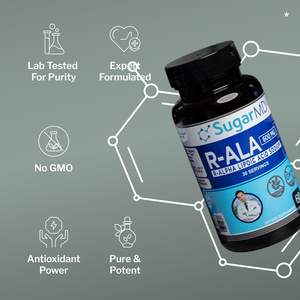
- Alpha-Lipoic Acid (ALA): Enhances the effects of insulin to improve blood glucose levels.
- Cinnamon: Known to help improve blood sugar levels and sensitivity.
- Fenugreek: An herb used to balance blood sugar by lowering insulin resistance and glucose absorption in the intestines.
- Bitter Melon & Guggul: Traditional remedies known for supporting healthy blood sugar levels.
- Gymnema Sylvestre, Ginseng, & Banaba Leaf: Herbal extracts that help enhance insulin sensitivity and reduce blood glucose levels.
- Bilberry: Often used to support vision health and glucose regulation.
Other Beneficial Nutrients
- Omega-3 Fatty Acids: Essential fats that reduce inflammation, which can subsequently improve blood sugar control.
- Green Tea: Helps reduce insulin resistance and improve glucose metabolism.
Conclusion
A healthy lifestyle defined by a balanced diet and regular exercise is the key to maintaining healthy blood sugar levels. Eating a nutrient-dense diet predominantly composed of plant-based whole foods provides the essential vitamins, minerals, and antioxidants required for overall wellness.
For those requiring additional support, specific formulations such as SugarMD’s Advanced Glucose Support Supplement and Super Berberine (containing DHB and Ceylon Cinnamon) can further assist the body’s natural ability to lower blood sugar. By understanding the signs of hyperglycemia and utilizing these natural tools, you can take proactive steps toward better health.
Frequently Asked Questions
How does dietary fiber specifically lower blood sugar?
Fiber slows carbohydrate breakdown and intestinal sugar absorption. This prevents post-meal spikes and maintains stable glucose levels.
What is the clinical benefit of Chromium?
Chromium enhances insulin receptor activity on cell surfaces. This allows insulin to move glucose into cells more efficiently.
How does Berberine affect glucose levels?
Berberine activates AMPK, increasing insulin sensitivity and reducing hepatic glucose production. This lowers fasting glucose and supports metabolic health.
Does Magnesium deficiency impact insulin resistance?
Magnesium is a vital cofactor for insulin signaling and glucose metabolism. Deficiency is clinically linked to increased insulin resistance and poor control.